

Walk Behind Vibratory Rollers: The Best Practices for Safe Operation
May 10,2026
Walk Behind Vibratory Rollers: The Best Practices for Safe Operation
In the construction and civil engineering sectors, walk behind vibratory rollers are integral for achieving smooth, compact surfaces. These machines are invaluable for tasks involving asphalt, gravel, and soil compaction. However, with their power comes the responsibility of safe operation. In this guide, we will delve into the best practices for operating walk-behind vibratory rollers safely and efficiently. From understanding the machine's functionalities to maintenance tips, we cover it all.
Table of Contents
- Introduction to Walk Behind Vibratory Rollers
- Understanding Walk Behind Vibratory Rollers
- Essential Safety Measures
- Operational Best Practices for Walk Behind Vibratory Rollers
- Daily Inspections and Maintenance
- Troubleshooting Common Issues
- Importance of Training and Certification
- Conclusion
- FAQs
Introduction to Walk Behind Vibratory Rollers
Walk behind vibratory rollers are compact, powerful machines designed for effective compaction of various materials in construction projects. They are ideal for both small-scale and large-scale tasks, ensuring that surfaces are stable and evenly compacted. While their operation might seem straightforward, it is crucial to recognize the importance of adhering to safe operational practices to mitigate risks associated with their use.
Understanding Walk Behind Vibratory Rollers
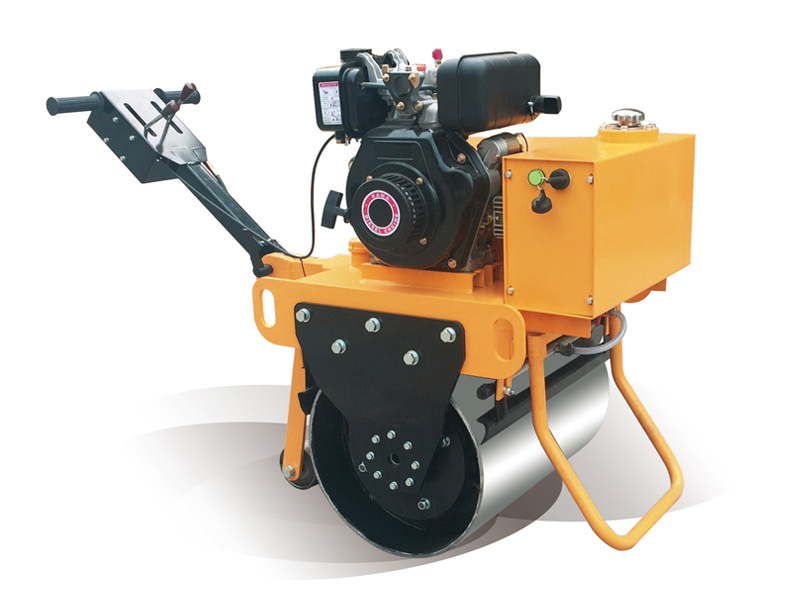
Before diving into operational practices, it’s essential to understand the components and functioning of vibratory rollers. These machines typically consist of:
- Drum: The cylindrical roller that compacts the material beneath.
- Vibration Mechanism: Generates vibrations to enhance compaction efficiency.
- Control Handle: Allows the operator to maneuver the roller smoothly.
- Engine: Provides the power needed for operation.
The combination of weight and vibration allows the roller to effectively compress materials, making it a vital tool in preparation for laying asphalt or creating stable surfaces for construction.
Essential Safety Measures
Prioritizing safety is paramount when operating walk-behind vibratory rollers. Here are key safety measures that operators should implement:
Personal Protective Equipment (PPE)
Wearing the appropriate PPE is the first step in ensuring safety. Operators should always wear:
- Hard Hats: Protect against falling debris.
- Safety Glasses: Shield eyes from dust and particles.
- Hearing Protection: Minimize noise-related risks.
- Steel-Toed Boots: Provide foot protection from heavy equipment.
- High-Visibility Clothing: Ensure that the operator is visible on the job site.
Site Safety Assessment
Before commencing work, conduct a thorough site assessment. Identify potential hazards such as:
- Uneven Ground: Assess for any slopes or holes that could pose a risk.
- Obstructions: Look for any underground utilities or overhead lines.
- Weather Conditions: Ensure that weather is appropriate for operation.
Operational Best Practices for Walk Behind Vibratory Rollers
Adhering to best practices during operation not only enhances performance but also ensures safety. Here are some critical operational best practices:
Starting the Roller
Always follow the manufacturer’s guidelines when starting the roller. Ensure the machine is on stable ground and that all safety features are functioning correctly. When starting:
- Check for any visible leaks or loose parts.
- Ensure the area is clear of personnel and obstructions.
- Engage the vibration mechanism only after the roller is in motion.
Proper Maneuvering Techniques
When maneuvering the roller, operators should:
- Keep a firm grip on the control handle.
- Be aware of surroundings and other personnel.
- Avoid abrupt changes in direction to prevent tipping.
Speed Control
Maintaining a steady speed is essential for effective compaction. Operators should:
- Adjust speed according to material type and thickness.
- Avoid operating at excessive speeds to ensure thorough compaction.
- Use lower speeds in tight or complex areas.
Daily Inspections and Maintenance
Regular inspections and maintenance are critical for ensuring the roller’s longevity and safety. Operators should:
- Check fluid levels, including oil and fuel, daily.
- Inspect belts and hoses for signs of wear or damage.
- Ensure the vibration mechanism is functioning smoothly.
- Clean the roller after each use to prevent material buildup.
Troubleshooting Common Issues
Even with proper maintenance, operators may encounter issues. Knowing how to troubleshoot common problems can save time and increase safety:
Vibration Problems
If the compaction effect is lacking:
- Check the hydraulic system for leaks.
- Inspect the vibration mechanism for blockages.
- Ensure the engine is running at optimal levels.
Engine Trouble
For engine-related issues:
- Listen for unusual noises and check for abnormal vibrations.
- Inspect fuel lines for clogs or leaks.
- Ensure air filters are clean and functioning.
Importance of Training and Certification
Proper training and certification are essential for operators. They ensure that individuals are equipped with the knowledge to operate the machinery safely and efficiently. Training programs often cover:
- Machine operation fundamentals.
- Safety protocols and emergency procedures.
- Understanding machine components and maintenance.
Conclusion
Walk behind vibratory rollers are powerful tools that enhance the efficiency of construction projects. However, safe operation is paramount to protect personnel and ensure project success. By implementing the best practices detailed in this guide—ranging from safety measures to operational techniques—operators can significantly reduce risks and maximize the effectiveness of these machines. Ultimately, continuous training and regular maintenance will ensure that walk-behind vibratory rollers perform optimally and safely for years to come.
FAQs
1. What is the primary use of walk-behind vibratory rollers?
Walk-behind vibratory rollers are used primarily for compacting soil, asphalt, and gravel to create smooth, stable surfaces.
2. How often should I perform maintenance on a vibratory roller?
Daily inspections are recommended, along with more comprehensive maintenance checks weekly or after significant usage periods.
3. Is training required to operate a vibratory roller?
Yes, training is crucial for safe operation and is often mandated by safety regulations.
4. What should I do if the roller is not compacting effectively?
Check for issues such as fluid leaks, blockages in the vibration mechanism, or engine problems, and address them accordingly.
5. Can I operate a vibratory roller in wet conditions?
It is advisable to avoid operating in excessively wet conditions as it can lead to inadequate compaction and increase the risk of accidents.
By following these guidelines and continually prioritizing safety, operators can confidently use walk-behind vibratory rollers to elevate their project outcomes.
PREVIOUS:

Contact Us
E-mail:
Address:
Room 1245, Block B, Ferris 1 Building, No. 168-1 Furong Middle Road, Changsha City, Hunan Province