

Innovative Techniques for Using Forestry Mulcher Attachments in Thick Brush
May 08,2026

Innovative Techniques for Using Forestry Mulcher Attachments in Thick Brush
Forestry mulcher attachments have revolutionized the way land management professionals handle thick brush and dense vegetation. These powerful machines can turn a daunting task into a manageable one, enabling users to clear land quickly and effectively. In this article, we will explore various innovative techniques to utilize these attachments, ensuring that you maximize their capabilities while maintaining the integrity of your environment.
Understanding Forestry Mulcher Attachments
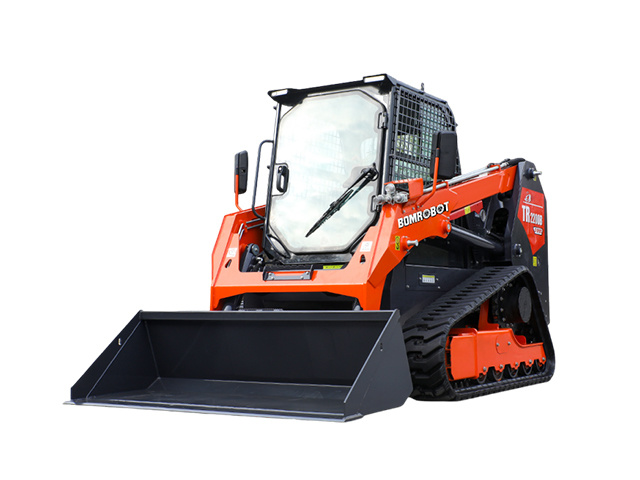
Before diving into the techniques, it’s essential to grasp what forestry mulcher attachments are and how they function. Typically attached to skid steers or excavators, these attachments utilize sharp, rotating blades to shred trees, brush, and other vegetation into mulch. This process not only clears the area but also helps in soil enrichment and erosion control.
The Benefits of Using Forestry Mulchers
Utilizing forestry mulchers brings numerous advantages:
- Efficiency: Forestry mulchers can clear large areas in a fraction of the time required for traditional methods.
- Cost-Effective: Reducing labor and time translates into significant cost savings.
- Environmental Benefits: Mulching leaves organic matter on-site, enriching the soil and promoting healthy ecosystems.
- Versatility: These attachments can handle a variety of vegetation, from small brush to larger trees.
Preparing for the Task Ahead
Assessing Your Site
Before beginning any mulching task, a thorough site assessment is crucial. Consider factors like soil type, existing vegetation, and potential environmental impacts. Identifying the density of the brush you will be working with is important for determining the appropriate settings and techniques to use with your mulcher attachment.
Choosing the Right Equipment
Not all forestry mulcher attachments are created equal. Selecting the right attachment depends on the machine's horsepower, the size of the brush, and your specific project needs. Consult with equipment providers to ensure you’re using a mulcher suited for your application.
Innovative Techniques for Effective Mulching
Utilizing Variable Speed Settings
Many modern forestry mulchers come equipped with variable speed settings. Adjusting the speed based on the thickness of the brush can enhance performance. For denser materials, a slower speed will allow the blades to work more effectively, shredding the material rather than merely pushing it aside.
Employing a Strategic Approach to Mulching
Rather than tackling the entire area indiscriminately, adopt a strategic approach:
- Start from the Periphery: Begin mulching from the edges of the thick brush to create pathways. This will provide you with more maneuverability as you progress deeper into the area.
- Layering Technique: Tackle the brush in layers. Remove the top layer first, allowing the machine to access the thicker materials beneath.
Optimizing Blade Sharpness
The effectiveness of your forestry mulcher hinges on the sharpness of its blades. Regularly check and maintain blade sharpness to ensure optimal performance. Dull blades can lead to inefficient mulching and increased wear on the machinery.
Safety First: Best Practices
Wearing the Right Protective Gear
Safety should always be a priority when operating heavy machinery. Essential protective gear includes:
- Hard hats
- Safety goggles
- Gloves
- High-visibility clothing
- Steel-toed boots
Observing Surroundings
Before starting the mulcher, be aware of your surroundings. Look out for hidden hazards such as rocks, large roots, or wildlife. This proactive stance can prevent accidents and damage to the machine.
Post-Mulching Considerations
Evaluating the Site Post-Mulching
Once mulching is complete, take time to evaluate the site. Ensure that the area is adequately cleared and that the mulch produced is evenly distributed. This can enhance the aesthetic appeal of the landscape while contributing to soil health.
Utilizing Leftover Mulch
Instead of removing the mulch, consider using it beneficially. Mulch can be used to:
- Improve soil moisture retention
- Suppress weed growth
- Enhance the visual appeal of garden beds
Frequently Asked Questions (FAQs)
1. What types of vegetation can a forestry mulcher handle?
A forestry mulcher is capable of handling a wide variety of vegetation, including small trees, brush, and shrubs. However, the capacity will depend on the specific attachment and machine used.
2. How do I maintain my forestry mulcher attachment?
Regular maintenance includes checking and sharpening blades, inspecting hydraulic hoses, and cleaning debris from the attachment to ensure optimal performance.
3. Can I operate a forestry mulcher attachment without prior experience?
While some individuals may operate mulchers with little experience, it is advisable to undergo training or consult with experienced operators to ensure safety and effectiveness.
4. What is the best way to dispose of the mulch produced?
You can leave the mulch on-site to decompose naturally, or use it in landscaping projects, such as mulching garden beds or paths.
5. How can I enhance the durability of my forestry mulcher attachment?
Regular maintenance, timely repairs, and following the manufacturer’s guidelines for operation can significantly enhance the longevity of your mulcher attachment.
Conclusion
In conclusion, utilizing forestry mulcher attachments effectively in thick brush requires a combination of innovative techniques, proper equipment selection, and stringent safety measures. By understanding the capabilities of your machinery and applying strategic methods, you can enhance productivity, reduce costs, and maintain environmental integrity. Whether you're a landscaping professional or a landowner, these insights will help you make the most out of your forestry mulcher and tackle thick brush with confidence.
PREVIOUS:
Contact Us
E-mail:
Address:
Room 1245, Block B, Ferris 1 Building, No. 168-1 Furong Middle Road, Changsha City, Hunan Province