

How Single Drum Vibratory Rollers Enhance Soil Compaction Processes in Construction
May 04,2026
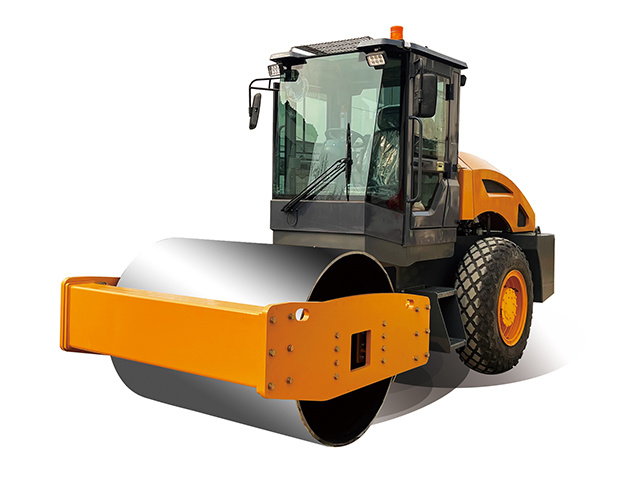
How Single Drum Vibratory Rollers Improve Soil Compaction Processes
Understanding Soil Compaction in Construction
Soil compaction is a critical process in the construction industry, ensuring the stability and longevity of structures. Proper compaction helps achieve a strong foundation, minimizes settlement, and reduces the risk of structural failure. With various methods available, this article focuses on how **single drum vibratory rollers** play a pivotal role in enhancing soil compaction.
The Mechanics Behind Single Drum Vibratory Rollers
Single drum vibratory rollers consist of a large, cylindrical drum equipped with a vibratory mechanism. This design allows the roller to apply heavy loads and vibrations to the soil surface, effectively compacting the ground beneath. The process involves several key components:
The Vibratory Mechanism
The vibratory mechanism generates oscillations that penetrate the soil, rearranging particles to eliminate air pockets and achieve optimal density. This action enhances the effective weight of the drum, increasing compaction efficiency.
Weight and Pressure Distribution
Single drum vibratory rollers typically feature a heavy drum that can exert significant weight on the soil. This vertical pressure works in tandem with vibrations to compact the soil effectively. The result is a more uniform and stable surface.
Drum Design and Its Impact on Compaction
The design of the drum is crucial for its performance. A smooth drum is ideal for cohesive soils, while a padded drum may be preferable in granular soils. The choice of drum design impacts the roller's ability to achieve the desired compaction results.
Advantages of Using Single Drum Vibratory Rollers
Single drum vibratory rollers offer several advantages that make them a preferred choice for soil compaction in various construction projects.
Enhanced Compaction Efficiency
Due to their ability to exert high pressures and vibrations, single drum vibratory rollers can achieve a high level of compaction in a shorter period. This efficiency reduces project timelines and labor costs.
Versatility Across Different Soil Types
These rollers are effective on various soil types, including clay, silt, sand, and gravel. Their adaptability allows construction professionals to use them in diverse applications, from road building to foundation preparation.
Reduced Risk of Soil Disturbance
Unlike some other compaction methods, single drum vibratory rollers minimize soil disturbance, preserving the integrity of the surrounding area. This feature is particularly beneficial in sensitive environments or when working near existing structures.
Improved Surface Finish
The smooth drum design of vibratory rollers provides a better surface finish, which is essential for projects requiring a uniform and stable surface, such as roadways and parking lots.
Applications of Single Drum Vibratory Rollers in Construction
Single drum vibratory rollers are versatile tools utilized in various construction applications, helping improve soil compaction processes across the industry.
Road Construction
In road construction, achieving a solid and level base is crucial. Single drum vibratory rollers compact the subgrade and base layers effectively, ensuring a durable surface for asphalt or concrete.
Foundation Preparation
For building foundations, proper soil compaction is non-negotiable. These rollers compact the soil to prevent future settlement, allowing engineers to build safely and effectively.
Landscaping and Site Development
In landscaping projects, single drum vibratory rollers prepare the ground for features like lawns, patios, and pathways. They create a stable base for various materials, enhancing the aesthetics and functionality of outdoor spaces.
Pipeline Installation
During pipeline installation, compaction is essential to protect the integrity of the pipeline and surrounding soil. Vibratory rollers ensure that the backfill material is adequately compacted, preventing future shifts that could damage the pipeline.
Factors Influencing Compaction Efficiency with Single Drum Vibratory Rollers
To maximize the effectiveness of single drum vibratory rollers, several factors should be considered during the compaction process.
Moisture Content of the Soil
The moisture content of the soil significantly affects compaction. Soil that is too dry or too wet can lead to poor compaction results. Achieving optimal moisture levels ensures that soil particles can effectively rearrange, leading to better density.
Layer Thickness
Compacting soil in layers rather than all at once is essential for achieving uniform density. The recommended layer thickness typically ranges from 6 to 12 inches, depending on the soil type and roller specifications.
Operating Speed
The speed at which the roller operates can impact compaction quality. Operating too quickly may prevent adequate compaction, while moving too slowly can extend project timelines unnecessarily. Finding the right balance is key to effective results.
Vibration Settings
Adjusting the vibration settings based on soil conditions, type, and layer thickness can optimize compaction. Operators should assess the specific project needs to set vibration levels appropriately.
Maintenance Tips for Single Drum Vibratory Rollers
To ensure long-lasting performance and efficiency, regular maintenance of single drum vibratory rollers is crucial.
Routine Inspections
Conducting routine inspections can identify potential issues before they become significant problems. Operators should check for wear on the drum, fluid levels, and the functionality of the vibratory mechanism.
Cleaning After Use
Cleaning the roller after each use prevents the buildup of dirt and debris, which can affect performance. Special attention should be paid to the drum and vibratory components.
Lubrication of Moving Parts
Regular lubrication of moving parts enhances the lifespan of the equipment. Operators should follow the manufacturer's recommendations for lubricants and schedules.
Repairing Damage Promptly
Any signs of damage, such as cracks or dents in the drum, should be addressed immediately. Neglecting repairs can lead to further damage and decreased efficiency.
Frequently Asked Questions About Single Drum Vibratory Rollers
1. What is the primary function of a single drum vibratory roller?
The primary function of a single drum vibratory roller is to compact soil effectively, providing a stable foundation for construction projects.
2. How does vibration enhance soil compaction?
Vibration rearranges soil particles, eliminating air pockets and increasing density, leading to a more stable surface.
3. Can single drum vibratory rollers be used on all soil types?
Yes, single drum vibratory rollers are versatile and effective on various soil types, including clay, sand, and gravel.
4. What maintenance practices are essential for roller longevity?
Routine inspections, cleaning, lubrication, and prompt repairs are crucial for maintaining roller performance.
5. How does moisture content affect compaction results?
Optimal moisture levels are necessary for effective compaction. Soil that is too dry or overly saturated can hinder the compaction process.
Conclusion
Single drum vibratory rollers are indispensable tools in the construction industry, significantly enhancing soil compaction processes. Their innovative design, coupled with the vibratory mechanism, allows for efficient and effective compaction across various applications. By understanding the mechanics and advantages of these rollers, as well as the factors that influence compaction efficiency, construction professionals can optimize their practices for better outcomes. As the industry continues to evolve, the role of single drum vibratory rollers will remain crucial in achieving stable and durable constructions, ultimately paving the way for successful projects.
PREVIOUS:
Contact Us
E-mail:
Address:
Room 1245, Block B, Ferris 1 Building, No. 168-1 Furong Middle Road, Changsha City, Hunan Province