

Understanding the Compaction Process with Walk Behind Vibratory Rollers: A Comprehensive Guide
May 02,2026
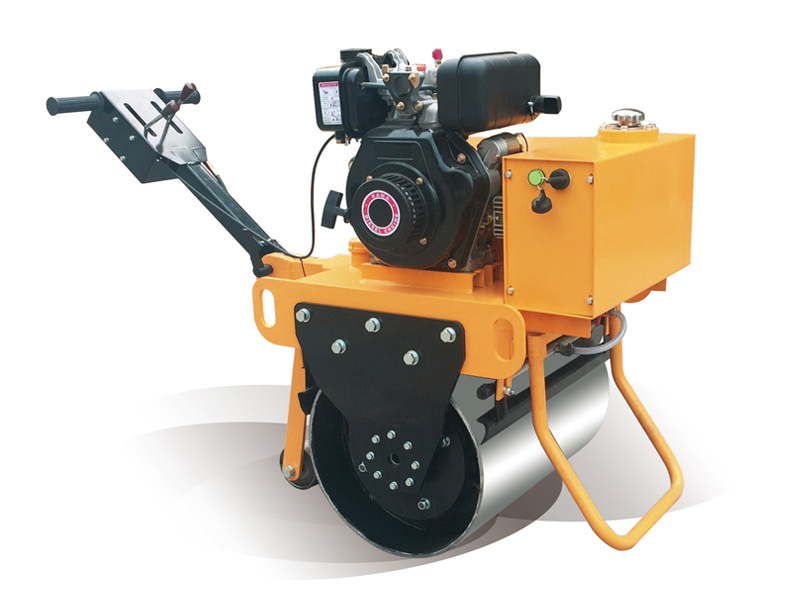
Understanding the Compaction Process with Walk Behind Vibratory Rollers
Table of Contents
1. Introduction to Compaction and Vibratory Rollers
2. What is the Compaction Process?
3. Types of Walk Behind Vibratory Rollers
- 3.1 Single Drum Rollers
- 3.2 Double Drum Rollers
4. How Walk Behind Vibratory Rollers Work
5. Applications of Walk Behind Vibratory Rollers
6. Benefits of Using Walk Behind Vibratory Rollers
7. Best Practices for Effective Compaction
8. Maintenance Tips for Vibratory Rollers
9. Frequently Asked Questions
10. Conclusion
Introduction to Compaction and Vibratory Rollers
In the realm of construction and engineering, **compaction** stands as a pivotal process that ensures stability and durability in various projects. Whether it’s laying a foundation, building a roadway, or preparing a site for future construction, the need for proper compaction is undeniable. Among the various tools available for this task, **Walk Behind Vibratory Rollers** have emerged as essential machinery. This article aims to provide a thorough understanding of the compaction process using these rollers, their applications, benefits, and best practices for optimal performance.
What is the Compaction Process?
Compaction refers to the process of densifying soil, gravel, or asphalt surfaces to increase their load-bearing capacity. When materials are compacted, air voids are reduced, which enhances stability and minimizes the risk of future settlement or shifting. Factors such as the type of material, moisture content, and compaction techniques all influence the effectiveness of this process.
Achieving the desired compaction involves applying mechanical forces to the materials, which can be done using various tools, including vibratory rollers. These machines utilize vibration to enhance the density and stability of the material being compacted.
Types of Walk Behind Vibratory Rollers
Understanding the types of Walk Behind Vibratory Rollers available can help you choose the right equipment for your compaction needs.
3.1 Single Drum Rollers
Single drum rollers are equipped with one drum and typically use the weight of the machine and vibration to compact asphalt or soil. They are best for smaller areas where precision compaction is required.
3.2 Double Drum Rollers
Double drum rollers feature two drums, one in the front and one in the rear. This design allows for more effective compaction of asphalt surfaces, making them ideal for road construction and repair projects.
How Walk Behind Vibratory Rollers Work
Walk Behind Vibratory Rollers operate by utilizing a combination of static weight and vibrational force to achieve optimal compaction. The machine’s drum rotates, creating centrifugal force that generates vibrations. This vibration allows the particles within the material to rearrange, reducing air voids and increasing density.
Key components of these machines include:
- **Drum**: The cylindrical part responsible for compacting the material. The drum's weight directly impacts the compaction efficiency.
- **Vibration Mechanism**: This may involve hydraulic or mechanical systems that generate vibrations to further enhance the compaction process.
- **Handle**: Operators can easily maneuver the roller using adjustable handles, ensuring precision in compaction efforts.
Applications of Walk Behind Vibratory Rollers
Walk Behind Vibratory Rollers are versatile machines used across various sectors:
- **Road Construction**: Ideal for compacting asphalt layers during road repairs and new constructions.
- **Parking Lots**: Effective for creating smooth and stable surfaces.
- **Landscaping**: Used in creating pathways and patios by compacting the base material.
- **Trench Compaction**: Perfect for compacting backfill in trenches to prevent future settling.
Benefits of Using Walk Behind Vibratory Rollers
Investing in Walk Behind Vibratory Rollers offers numerous advantages:
- **Efficiency**: The vibration mechanism reduces the need for extensive manual labor, accelerating the compaction process.
- **Precision**: Operators can control the depth and area of compaction, ensuring optimal results.
- **Portability**: These machines are generally lightweight and easy to transport, making them suitable for various job sites.
- **Cost-Effective**: Their efficiency and speed can significantly reduce labor costs on construction projects.
Best Practices for Effective Compaction
To achieve the best results, consider the following best practices:
1. **Moisture Content**: Ensure that the material being compacted has the right moisture content. Too dry or too wet conditions can lead to ineffective compaction.
2. **Layering**: Apply compaction in layers, usually no thicker than 6-8 inches, to maximize the effectiveness of the process.
3. **Overlap**: When operating the machine, overlap passes to ensure complete coverage and uniform compaction.
4. **Speed Control**: Adjust the speed of the roller according to the material being compacted. Faster speeds can lead to inadequate compaction.
5. **Regular Inspection**: Perform regular checks on the machine for any maintenance needs, ensuring it operates efficiently.
Maintenance Tips for Vibratory Rollers
To prolong the life of your Walk Behind Vibratory Roller and ensure it operates at peak performance, follow these maintenance tips:
- **Regular Cleaning**: After each use, clean the drum to prevent material buildup, which can affect performance.
- **Check Fluid Levels**: Ensure that hydraulic and fuel levels are regularly monitored and maintained.
- **Inspect Components**: Regularly check belts, bearings, and other components for wear and tear, replacing them as necessary.
- **Store Properly**: Keep the roller in a dry, sheltered location to protect it from environmental damage.
Frequently Asked Questions
1. What is the ideal weight for a Walk Behind Vibratory Roller?
The ideal weight can vary based on the material being compacted, but typically ranges from 800 to 2,500 pounds for effective soil and asphalt compaction.
2. How deep can a Walk Behind Vibratory Roller compact soil?
Depending on the machine and conditions, a vibratory roller can effectively compact layers of soil up to 6-8 inches deep.
3. Can I use a Walk Behind Vibratory Roller on granular materials?
Yes, these rollers are effective on granular materials, provided that proper moisture levels are maintained.
4. How often should I conduct maintenance checks?
It’s advisable to perform maintenance checks before and after each use to ensure optimal performance.
5. Are Walk Behind Vibratory Rollers suitable for residential projects?
Absolutely. Their portability and efficiency make them a popular choice for residential landscaping and small construction projects.
Conclusion
Understanding the compaction process with Walk Behind Vibratory Rollers is crucial for achieving high-quality results in construction projects. These machines offer versatility and efficiency, making them indispensable tools in the construction and engineering industries. By following best practices and performing regular maintenance, operators can ensure optimal compaction results, contributing to the stability and longevity of their projects. Whether for road construction or landscaping, Walk Behind Vibratory Rollers are a wise investment, paving the way for successful outcomes in various applications.
PREVIOUS:

Contact Us
E-mail:
Address:
Room 1245, Block B, Ferris 1 Building, No. 168-1 Furong Middle Road, Changsha City, Hunan Province