

A Comprehensive Guide to Operating a Single Drum Vibratory Roller Safely
Apr 18,2026
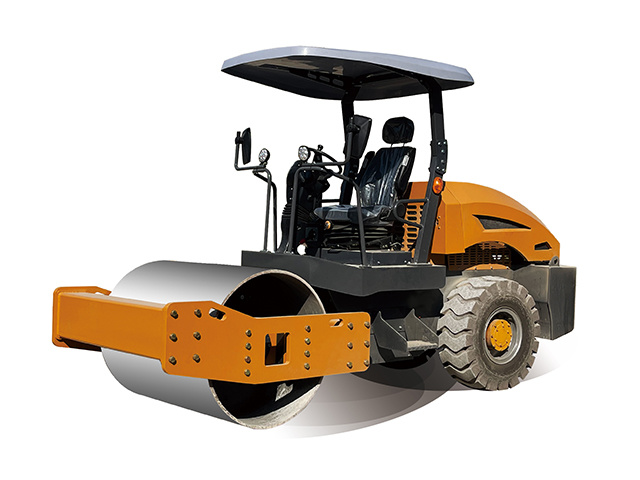
A Comprehensive Guide to Operating a Single Drum Vibratory Roller Safely
Operating a single drum vibratory roller is a critical task in construction and roadwork, playing a pivotal role in ensuring the quality of asphalt and soil compaction. This guide offers an in-depth look at the safe operation of these machines, focusing on best practices, safety measures, and operational techniques that enhance both efficiency and safety.
Table of Contents
- 1. Introduction to Single Drum Vibratory Rollers
- 2. Understanding the Equipment
- 3. Safety Procedures for Operation
- 4. Pre-Operation Checks and Maintenance
- 5. Effective Operating Techniques
- 6. Common Mistakes to Avoid
- 7. Post-Operation Procedures
- 8. Frequently Asked Questions (FAQs)
- 9. Conclusion
1. Introduction to Single Drum Vibratory Rollers
Single drum vibratory rollers are essential machines in the construction industry, primarily used for compacting soil, asphalt, and other materials. These machines utilize a heavy steel drum with a vibrating mechanism that compacts the material beneath it. Understanding the fundamentals of operating these machines safely is vital for both the operator's safety and the quality of the work performed.
2. Understanding the Equipment
Before operating a single drum vibratory roller, it is essential to comprehend its components and functionality. Key parts include:
2.1 The Drum
The drum is the primary component responsible for the compaction process. Its weight and design allow for effective pressure to be applied to the surface. It is crucial to select the appropriate drum size based on the project requirements.
2.2 The Vibratory Mechanism
This mechanism generates vibrations that help in achieving better compaction by reducing air pockets in the material. Understanding how the vibratory system works will allow for better control and more effective operation.
2.3 The Control Panel
The control panel allows the operator to manage speed, vibration settings, and hydraulic functions. Familiarity with the controls is essential for safe and efficient operation.
3. Safety Procedures for Operation
Safety should always be the top priority when operating heavy machinery. Here are the key safety procedures to follow:
3.1 Proper Personal Protective Equipment (PPE)
Always wear appropriate PPE, including hard hats, safety glasses, gloves, and steel-toed boots. High-visibility clothing is also recommended to ensure you are seen on the worksite.
3.2 Conduct a Risk Assessment
Before commencing work, conduct a thorough risk assessment to identify potential hazards associated with operating the roller in your specific environment. This includes assessing the terrain, weather conditions, and proximity to other workers.
3.3 Operator Training
Only trained and certified personnel should operate the vibratory roller. Ensure that all operators are familiar with the machine's controls, safety features, and emergency procedures.
4. Pre-Operation Checks and Maintenance
Before starting the roller, a comprehensive pre-operation check must be performed:
4.1 Inspect the Machine
Check for any visible damage, leaks, or loose parts. Inspect the drum for wear and ensure that all safety devices are functional.
4.2 Fluid Levels
Verify that hydraulic fluid, oil, and fuel levels are appropriate. Maintaining proper fluid levels ensures optimal performance and reduces the risk of machine failure.
4.3 Safety Features
Ensure that all safety features, such as alarms and emergency stop buttons, are operational. These features are critical in ensuring the operator's safety.
5. Effective Operating Techniques
Operating a single drum vibratory roller requires skill and attention to detail:
5.1 Starting the Machine
Start the roller according to the manufacturer's instructions. Allow the machine to warm up before beginning work to ensure all systems are functioning properly.
5.2 Compaction Patterns
Utilize effective compaction patterns to maximize efficiency. Overlapping passes may be required to ensure uniform compaction across the area.
5.3 Adjusting the Vibration
Adjust the vibration settings based on the material being compacted. Different materials require different vibration frequencies and amplitudes for optimal results.
6. Common Mistakes to Avoid
Avoiding common pitfalls can enhance safety and efficiency:
6.1 Ignoring Manufacturer Guidelines
Always adhere to the manufacturer's guidelines for operation and maintenance. Ignoring these can lead to mechanical failures and safety hazards.
6.2 Overloading
Do not attempt to compact materials beyond the machine's capacity. Overloading can damage the roller and compromise the quality of compaction.
6.3 Disregarding Terrain Conditions
Always assess the terrain before operating. Operating on unstable ground can lead to accidents and equipment failure.
7. Post-Operation Procedures
Proper post-operation practices are essential for maintaining the machine and ensuring safety:
7.1 Clean the Roller
After use, clean the drum and other surfaces to remove any material buildup. This helps maintain the machine and ensures optimal performance for future operations.
7.2 Report Issues
If any issues were encountered during operation, report them immediately. This allows for timely repairs and maintenance.
7.3 Store the Equipment Properly
Store the roller in a designated area, ensuring it is secured and protected from the elements. Proper storage extends the lifespan of the equipment.
8. Frequently Asked Questions (FAQs)
8.1 What is the purpose of a single drum vibratory roller?
A single drum vibratory roller is primarily used for compacting soil, asphalt, and other materials, ensuring a solid foundation for construction projects.
8.2 How does the vibratory mechanism work?
The vibratory mechanism generates vibrations that help compact the material by eliminating air pockets and achieving a denser surface.
8.3 What safety gear is required when operating a vibratory roller?
Essential safety gear includes hard hats, safety glasses, gloves, steel-toed boots, and high-visibility clothing.
8.4 How often should maintenance checks be performed?
Regular maintenance checks should be conducted before each use, with more comprehensive inspections scheduled according to the manufacturer's guidelines.
8.5 What are the common mistakes made while operating a vibratory roller?
Common mistakes include ignoring manufacturer guidelines, overloading the machine, and neglecting to assess terrain conditions.
9. Conclusion
Operating a single drum vibratory roller requires a blend of knowledge, skill, and adherence to safety protocols. By understanding the equipment, following safety procedures, conducting thorough pre-operation checks, and employing effective operating techniques, operators can ensure not only their safety but also the quality of their work. Proper post-operation practices further enhance the longevity and efficiency of the roller. With these guidelines, we can operate vibratory rollers confidently, contributing to safer and more effective construction projects.
PREVIOUS:
Contact Us
E-mail:
Address:
Room 1245, Block B, Ferris 1 Building, No. 168-1 Furong Middle Road, Changsha City, Hunan Province