

Essential Features to Consider When Choosing a Single Drum Vibratory Roller
Apr 10,2026
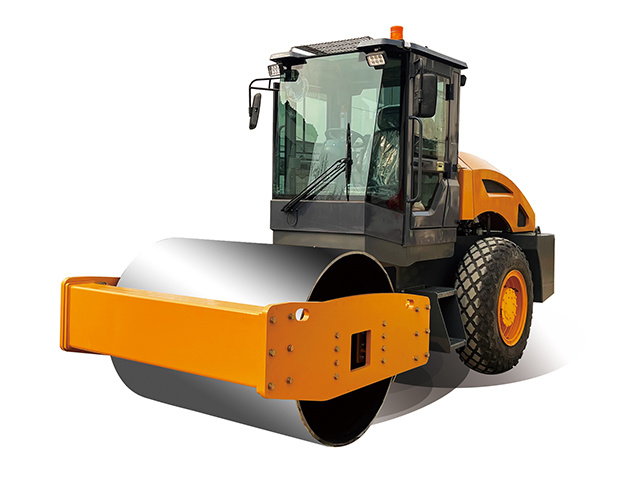
Essential Features to Consider When Choosing a Single Drum Vibratory Roller
When it comes to construction and roadwork, a **single drum vibratory roller** is an indispensable piece of machinery. These machines are designed to compact soil, asphalt, and other materials, facilitating a smooth and stable foundation for various applications. However, not all single drum vibratory rollers are created equal. Understanding the key features to look for can greatly influence your project’s efficiency and overall success.
In this guide, we will explore the top features that you should consider, ensuring that you make an informed decision when investing in a single drum vibratory roller.
Table of Contents
1. Introduction to Single Drum Vibratory Rollers
2. Performance Features
3. Durability and Build Quality
3.1 Material Composition
3.2 Frame Design
4. Operator Comfort and Safety
4.1 Ergonomics
4.2 Safety Features
5. Maintenance and Serviceability
6. Technology Integration
7. Cost vs. Value Consideration
8. Conclusion
9. FAQs
1. Introduction to Single Drum Vibratory Rollers
Single drum vibratory rollers are a type of compaction equipment that utilizes a heavy, cylindrical drum to compress and level various materials. They are widely used in road construction, landscaping, and site preparation. The vibratory mechanism enhances the compaction process, allowing operators to achieve denser and more uniform surfaces.
Given their importance, selecting the right single drum vibratory roller is critical for optimizing project outcomes.
2. Performance Features
Performance is arguably the most crucial factor when evaluating a **single drum vibratory roller**. Here are the key aspects to consider:
2.1 Compaction Force
The compaction force of a roller determines its ability to compact various materials. Look for rollers that provide adjustable compaction settings, allowing operators to tailor performance based on the material being compacted. A higher amplitude and frequency can lead to more effective compaction.
2.2 Operating Weight
The operational weight of the roller significantly affects its compaction efficiency. Heavy rollers tend to provide better penetration and compaction depth, making them suitable for a variety of applications. However, balance is key; excessively heavy rollers can cause material displacement or damage to underlying layers.
2.3 Speed and Mobility
An efficient roller should offer optimal speed settings for various job requirements. Look for models that combine speed with the ability to navigate tight spaces, ensuring productivity without sacrificing safety or performance.
3. Durability and Build Quality
Durability is a vital consideration in the life expectancy of your single drum vibratory roller. A well-built machine withstands the rigors of daily operation and harsh working conditions.
3.1 Material Composition
The materials used in the construction of the roller significantly impact its longevity. Choose rollers made from high-strength steel or other robust materials that resist wear and corrosion.
3.2 Frame Design
The frame design should not only support the weight of the machine but also provide stability during operation. A robust frame minimizes vibrations transferred to the operator, enhancing comfort and overall productivity.
4. Operator Comfort and Safety
Working with heavy machinery requires a focus on operator comfort and safety. A well-designed roller can enhance productivity while minimizing fatigue.
4.1 Ergonomics
Operators should feel comfortable while using the roller. Features such as adjustable seats, intuitive control layouts, and vibration-reducing mounts contribute to a more ergonomic working environment.
4.2 Safety Features
Safety standards are paramount in any construction setting. Look for rollers equipped with features like rollover protection systems, alarms, and emergency stop mechanisms to ensure operator safety.
5. Maintenance and Serviceability
Ease of maintenance is a significant factor that affects long-term costs and performance. A machine that is easy to service will minimize downtime and extend its lifespan.
5.1 Accessibility of Components
When evaluating a roller, check how easily components can be accessed for routine maintenance. Features like removable covers and strategically placed service points can simplify maintenance tasks.
5.2 Availability of Spare Parts
Consider the availability of spare parts and support services in your region. A reliable manufacturer will ensure that replacement parts are readily available, minimizing downtime.
6. Technology Integration
Modern technology plays a significant role in enhancing the efficiency and safety of single drum vibratory rollers.
6.1 Smart Features
Look for rollers that offer smart features such as GPS tracking, onboard diagnostics, and telematics systems. These technologies can help monitor performance, track maintenance needs, and optimize usage.
6.2 Automation Capabilities
Automation features can improve efficiency by allowing the machine to adjust compaction settings based on real-time conditions. This capability reduces the operator’s workload while enhancing precision.
7. Cost vs. Value Consideration
While price plays a crucial role in your decision, it’s essential to evaluate the overall value that a single drum vibratory roller provides. Cheaper models may save you money upfront but could lead to higher costs in repairs and maintenance over time.
Consider the following:
7.1 Total Cost of Ownership
Calculate the total cost of ownership, which includes purchase price, maintenance, fuel consumption, and potential resale value. This comprehensive approach will give you a clearer picture of the roller's long-term financial impact.
7.2 Brand Reputation
Investing in a reputable brand often translates to reliable performance and support. Research brand reviews and customer testimonials to gauge satisfaction and reliability in the industry.
8. Conclusion
Selecting a single drum vibratory roller involves careful consideration of various factors. Evaluating performance features, build quality, operator comfort, maintenance ease, and technology integration will guide you toward the right choice. By investing in a high-quality roller that meets your specific needs, you can enhance efficiency and productivity in your construction projects, ultimately leading to successful outcomes.
9. FAQs
1. What is a single drum vibratory roller used for?
A single drum vibratory roller is primarily used for compacting soil, asphalt, and other materials to create a solid and stable foundation in construction and roadwork applications.
2. How does the vibratory mechanism work?
The vibratory mechanism generates oscillations that enhance the compaction process, allowing the roller to penetrate and compact materials more effectively than static rollers.
3. What maintenance is required for a single drum vibratory roller?
Regular maintenance includes checking fluid levels, inspecting belts and hoses, cleaning filters, and ensuring that all components are functioning correctly to minimize breakdowns.
4. Are single drum vibratory rollers suitable for all soil types?
While single drum vibratory rollers are versatile, their effectiveness can vary based on soil type. They excel in granular soils but may be less effective in cohesive soils without proper adjustments.
5. What should I consider when comparing different models of vibratory rollers?
Consider factors such as compaction force, operating weight, mobility, durability, maintenance requirements, and any technological features that may enhance performance and ease of use.
By understanding these aspects, you can confidently choose the right single drum vibratory roller for your construction needs.
PREVIOUS:
Contact Us
E-mail:
Address:
Room 1245, Block B, Ferris 1 Building, No. 168-1 Furong Middle Road, Changsha City, Hunan Province