

The Evolution of Walk Behind Vibratory Rollers in the Construction Industry
Apr 08,2026
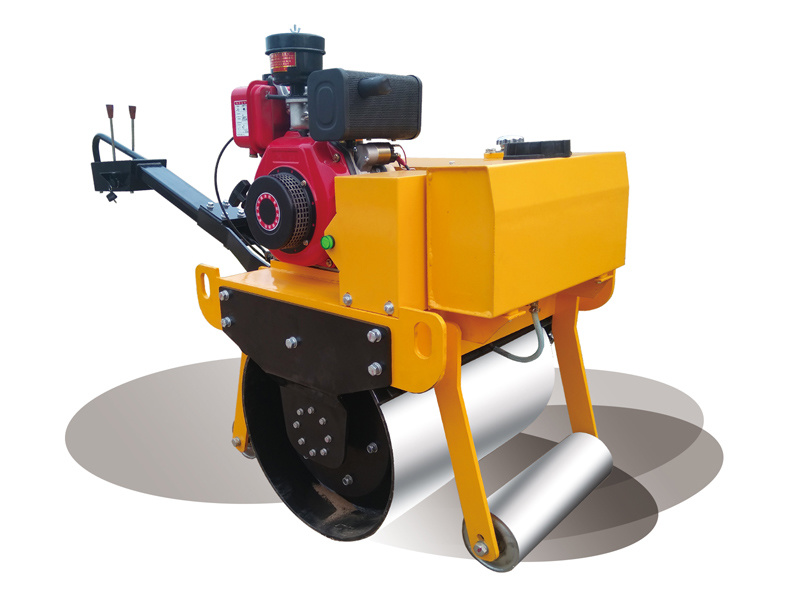
The Evolution of Walk Behind Vibratory Rollers in the Construction Industry
Table of Contents
- Introduction to Walk Behind Vibratory Rollers
- A Brief History of Vibratory Rollers
- Design Innovations and Features
- Mechanism of Operation
- Applications in Construction
- Advantages of Using Walk Behind Vibratory Rollers
- Challenges and Limitations
- The Future of Walk Behind Vibratory Rollers
- Conclusion
- FAQs about Walk Behind Vibratory Rollers
Introduction to Walk Behind Vibratory Rollers
In the construction industry, **efficiency** and **precision** are paramount. Among the essential machinery that enables these qualities are walk-behind vibratory rollers. These compact machines have become pivotal in various applications, particularly in **asphalt paving** and **soil compaction**. This article will explore the **evolution** of walk-behind vibratory rollers, their historical significance, design innovations, operational mechanisms, applications, advantages, challenges, and what the future holds for these incredible machines.
A Brief History of Vibratory Rollers
The journey of vibratory rollers dates back to the mid-20th century when the demand for efficient site preparation began to soar. Initially, construction relied on traditional methods involving manual compaction, which was labor-intensive and time-consuming. The introduction of mechanical compaction equipment marked a significant shift, with the first rollers being large and cumbersome.
As the construction industry evolved, so did the design and functionality of these machines. Walk-behind vibratory rollers emerged as a compact solution that offered increased maneuverability and ease of use in tight spaces. Over the decades, advancements in engineering and technology have led to the development of highly efficient, user-friendly machines that cater to various construction needs.
Design Innovations and Features
Modern walk-behind vibratory rollers boast several innovative features that enhance their performance and user experience. Key design elements include:
Compact Size and Weight
The compact size of these rollers allows operators to easily navigate tight job sites, making them ideal for residential projects, road repairs, and landscaping.
Vibratory Mechanism
Equipped with a vibratory mechanism, these rollers generate significant compaction force, ensuring that surfaces are adequately compacted. The vibration frequency can often be adjusted to suit different materials and conditions.
User-Friendly Controls
Contemporary models come with intuitive controls that allow operators to manage the roller effortlessly. Many feature ergonomic handles, making them comfortable to operate for extended periods.
Versatile Drum Configurations
Different drum configurations cater to various applications. Smooth drums are ideal for asphalt, whereas padded drums are better suited for granular materials.
Advanced Engine Technology
Modern engines are more fuel-efficient and environmentally friendly, reducing emissions while providing powerful performance.
Mechanism of Operation
Understanding the operational mechanism of walk-behind vibratory rollers is essential to appreciate their effectiveness. These machines function through a combination of weight, vibration, and momentum.
Weight Distribution
The machine's weight plays a crucial role in achieving effective compaction. Heavier rollers exert more force, leading to denser surface compaction.
Vibration Generation
The vibratory system typically consists of rotating eccentric weights within the roller drum. As these weights rotate, they create centrifugal force, generating vibrations that propagate through the ground.
Operational Speed
Operators can control the speed of the roller to either increase or decrease the compaction intensity. Slower speeds may yield more thorough compaction, while faster speeds are useful for covering larger areas quickly.
Applications in Construction
Walk-behind vibratory rollers are utilized across numerous construction applications. Their versatility makes them a preferred choice for contractors and builders alike.
Asphalt Paving
One of the primary applications of walk-behind vibratory rollers is in asphalt paving. The smooth drum design allows for the efficient compaction of asphalt, ensuring a smooth and durable surface.
Soil Compaction
These rollers are also widely used in soil compaction for foundations, road bases, and landscaping projects. Proper soil compaction is vital for preventing future erosion and ensuring structural integrity.
Reinforcement of Concrete Structures
In concrete work, vibratory rollers can enhance the compaction of sub-base materials, leading to better load-bearing capabilities.
Utility Trenches
Walk-behind vibratory rollers are commonly employed in utility work to compact backfill in trenches, preventing settling and future repairs.
Advantages of Using Walk Behind Vibratory Rollers
Using walk-behind vibratory rollers comes with numerous advantages that benefit construction projects significantly:
Efficiency
The speed and effectiveness of these rollers reduce the time needed for compaction, allowing projects to proceed more rapidly.
COST-EFFECTIVE
Investing in walk-behind vibratory rollers can lead to cost savings over time due to less labor required for manual compaction and fewer repairs needed for poorly compacted surfaces.
Improved Quality of Work
With enhanced compaction, the quality of paved surfaces and foundations is improved, leading to fewer issues down the line.
Accessibility
Their compact design allows operators to access hard-to-reach areas, making them ideal for various job sites.
Challenges and Limitations
Despite their many advantages, walk-behind vibratory rollers also face some challenges:
Limited Power for Heavy-Duty Applications
While effective for smaller projects, these rollers may not be suitable for large-scale, heavy-duty compaction tasks, where larger machinery is preferred.
Operator Fatigue
Extended use of walk-behind rollers can lead to operator fatigue, particularly since they require physical effort to maneuver.
Maintenance Requirements
Regular maintenance is necessary to keep these machines in optimal working condition, which can add to operational costs.
The Future of Walk Behind Vibratory Rollers
As technology continues to advance, the future of walk-behind vibratory rollers looks promising. Innovations we can expect to see include:
Smart Technology Integration
The integration of smart technology, such as sensors and GPS tracking, will enhance operational efficiency and monitoring capabilities.
Increased Environmental Sustainability
Future models are likely to focus on sustainability, incorporating electric engines and eco-friendly materials to reduce environmental impact.
Enhanced Ergonomics
Improvements in design will continue to focus on operator comfort, reducing fatigue and increasing productivity.
Conclusion
The evolution of walk-behind vibratory rollers reflects the dynamic nature of the construction industry. These machines have come a long way from their early days, evolving to meet the demands of modern construction practices. As technology advances, we can expect even more innovations that will enhance their effectiveness and sustainability. Walk-behind vibratory rollers will undoubtedly remain a crucial tool in the construction toolbox, ensuring that projects are completed efficiently and to the highest quality standards.
FAQs about Walk Behind Vibratory Rollers
1. What is a walk-behind vibratory roller?
A walk-behind vibratory roller is a compact compaction machine that is operated by hand and is used primarily for asphalt paving and soil compaction.
2. How does a walk-behind vibratory roller work?
These rollers work by utilizing a vibratory mechanism that generates vibrations through rotating eccentric weights, effectively compacting the surface below.
3. What are the primary uses of walk-behind vibratory rollers?
They are commonly used for asphalt paving, soil compaction, utility trench backfilling, and reinforcing concrete structures.
4. How do I maintain a walk-behind vibratory roller?
Regular maintenance includes checking fluid levels, inspecting the drum for damage, and ensuring that all mechanical parts are functioning correctly.
5. Are walk-behind vibratory rollers suitable for all types of soil?
While they are versatile, the suitability of walk-behind vibratory rollers may vary depending on soil type and moisture content. For heavy clay or rocky soils, larger machinery may be more effective.
PREVIOUS:

Contact Us
E-mail:
Address:
Room 1245, Block B, Ferris 1 Building, No. 168-1 Furong Middle Road, Changsha City, Hunan Province