

Walk Behind Vibratory Rollers: Enhancing Compacting Performance in Soft Soils
Mar 31,2026
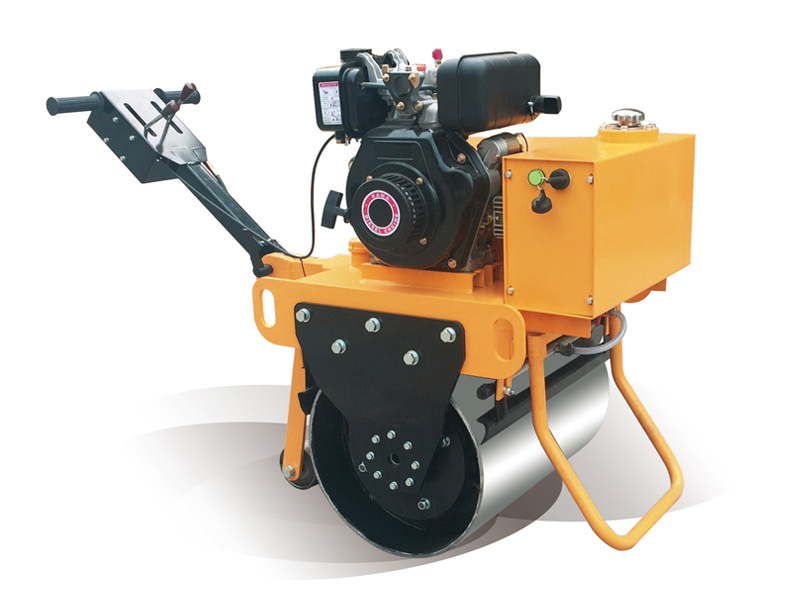
Walk Behind Vibratory Rollers: Enhancing Compacting Performance in Soft Soils
Table of Contents
- 1. Introduction to Walk Behind Vibratory Rollers
- 2. Understanding Vibratory Rollers
- 3. Benefits of Walk Behind Vibratory Rollers
- 4. Mechanics of Walk Behind Vibratory Rollers
- 5. Applications in Soft Soils
- 6. Choosing the Right Walk Behind Roller
- 7. Maintenance Tips for Walk Behind Vibratory Rollers
- 8. Frequently Asked Questions
- 9. Conclusion
1. Introduction to Walk Behind Vibratory Rollers
In the realm of construction and civil engineering, effective soil compaction is crucial for ensuring the stability and longevity of structures. Walk Behind Vibratory Rollers have emerged as one of the essential tools for achieving optimal compaction, especially in soft soil conditions. These machines not only enhance the compacting performance but also improve efficiency and reduce operational costs. In this article, we will explore the intricacies of Walk Behind Vibratory Rollers and their significant role in enhancing compacting performance.
2. Understanding Vibratory Rollers
Vibratory rollers are specialized equipment designed to compact soil, asphalt, and other materials. Unlike static rollers, vibratory rollers utilize a vibration mechanism that generates dynamic forces to achieve deeper compaction. The ability to penetrate and compact soft soils effectively sets vibratory rollers apart from traditional methods.
Types of Vibratory Rollers
There are generally two types of vibratory rollers: **static** and **dynamic**. Static rollers rely solely on their weight to achieve compaction, while dynamic rollers, like Walk Behind Vibratory Rollers, utilize vibration to enhance the compacting effect. This distinction is particularly important for projects involving soft or loose soils, where deeper penetration is necessary.
3. Benefits of Walk Behind Vibratory Rollers
Walk Behind Vibratory Rollers offer several advantages that make them an ideal choice for compacting soft soils:
Enhanced Compaction Efficiency
The vibration mechanism significantly increases the compaction efficiency, allowing the roller to cover more ground in less time. This efficiency is especially beneficial in projects with tight deadlines.
Versatility
These machines can be used in various applications, from road construction to landscaping. Their compact size allows them to maneuver in tight spaces where larger machines may not fit.
Reduced Labor Costs
By automating the compaction process, Walk Behind Vibratory Rollers reduce the need for manual labor, leading to substantial cost savings on projects.
Improved Soil Stability
Proper compaction leads to increased soil density, which enhances the stability and load-bearing capacity of the ground. This aspect is crucial for the longevity of structures built on soft soils.
Operator-Friendly Design
Many Walk Behind Vibratory Rollers come equipped with features such as ergonomic handles and intuitive controls, making them user-friendly and reducing operator fatigue.
4. Mechanics of Walk Behind Vibratory Rollers
Understanding how Walk Behind Vibratory Rollers work can help users appreciate their benefits. These machines generally consist of the following components:
Vibrating Drum
The core component of a vibratory roller is the vibrating drum, which generates the vibrations necessary for compaction. The frequency and amplitude of these vibrations can often be adjusted based on the material being compacted.
Power Source
Most Walk Behind Vibratory Rollers are powered by gasoline or diesel engines. The power source drives the vibrating mechanism and the forward motion of the roller.
Chassis and Control Mechanism
The chassis of the roller is designed for durability and stability. The control mechanism, which often includes handlebars, allows operators to navigate easily, even in challenging terrains.
5. Applications in Soft Soils
Walk Behind Vibratory Rollers are particularly effective in soft soil applications, including:
Road Construction
In road construction projects, achieving a stable subgrade is vital. Walk Behind Vibratory Rollers compact the soil efficiently, providing a solid foundation for road surfaces.
Landscaping
These rollers are ideal for landscaping tasks, such as compacting soil for turf installations or garden beds, ensuring the ground is leveled and stable.
Foundation Preparation
Before laying foundations, it’s essential to compact the soil adequately. Walk Behind Vibratory Rollers help achieve the necessary density to prevent future settling.
Pavement Repair
For pavement repair projects, ensuring that the underlying soil is compacted can enhance the longevity of the asphalt laid on top.
6. Choosing the Right Walk Behind Roller
Selecting the appropriate Walk Behind Vibratory Roller depends on several factors:
Soil Type
Different soil types require different compaction techniques. Assess the soil conditions on-site to choose a roller that meets those needs.
Project Scale
Consider the scale of your project. For larger projects, consider a roller with a broader drum width for efficiency, while smaller projects can benefit from more compact models.
Weight and Size
The weight of the roller affects its compaction ability. Heavier models typically provide more effective compaction, while lighter models offer more mobility.
Budget
Evaluate your budget. While higher-end models may offer better performance, there are numerous affordable options that still deliver excellent results.
7. Maintenance Tips for Walk Behind Vibratory Rollers
To ensure optimal performance and longevity of your Walk Behind Vibratory Roller, consider the following maintenance tips:
Regular Inspections
Conduct regular inspections of the machine to identify any wear and tear. Check the vibrating drum, engine, and other critical components regularly.
Cleaning
Keep the roller clean to prevent mud and debris from accumulating. This practice not only improves performance but also extends the life of the equipment.
Fluid Checks
Regularly check and replace hydraulic fluids and engine oil as needed. Proper lubrication ensures smooth operation and prevents mechanical issues.
Storage
When not in use, store the roller in a dry and secure place. Protecting it from the elements extends its lifespan.
8. Frequently Asked Questions
What is the average cost of a Walk Behind Vibratory Roller?
The cost can vary significantly based on brand, model, and features. Generally, prices range from $2,000 to $10,000.
How deep can Walk Behind Vibratory Rollers compact soil?
They are capable of compacting soil up to 12 inches deep, depending on the soil type and moisture content.
Are Walk Behind Vibratory Rollers suitable for asphalt compaction?
Yes, these rollers are effective for asphalt compaction, especially in small to medium-sized paving projects.
How do I operate a Walk Behind Vibratory Roller?
Operating a Walk Behind Vibratory Roller is typically straightforward. Follow the manufacturer's guidelines and ensure you are familiar with the controls for safe operation.
What maintenance is required for Walk Behind Vibratory Rollers?
Regular inspections, cleaning, fluid checks, and appropriate storage are essential for maintaining performance and extending the life of the roller.
9. Conclusion
Walk Behind Vibratory Rollers are indispensable tools for achieving effective soil compaction, particularly in soft soils. Their unique mechanics and versatile applications make them ideal for a wide range of construction projects. By understanding their benefits, operational mechanics, and maintenance requirements, users can leverage these machines to enhance project efficiency and stability. Investing in a quality Walk Behind Vibratory Roller can lead to significant long-term benefits, ensuring that your construction projects are built on a solid foundation.
PREVIOUS:
Contact Us
E-mail:
Address:
Room 1245, Block B, Ferris 1 Building, No. 168-1 Furong Middle Road, Changsha City, Hunan Province