

Case Studies: Successful Projects Utilizing Walk Behind Vibratory Rollers in Construction
Mar 23,2026
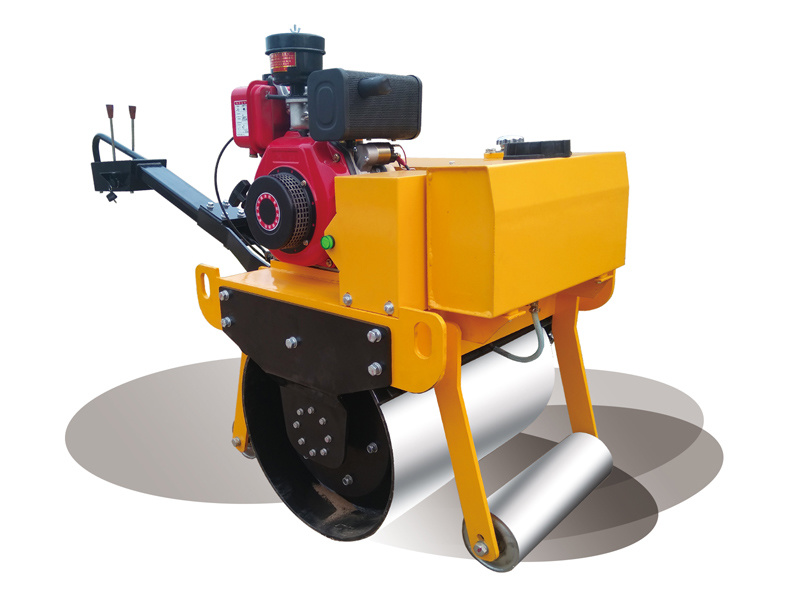
Case Studies: Successful Projects Using Walk Behind Vibratory Rollers
Walk behind vibratory rollers are indispensable tools in the construction industry, known for their exceptional ability to compact soil, asphalt, and other materials efficiently. Their compact size and advanced technology make them suitable for a variety of projects, from small residential construction to large commercial developments. In this article, we will delve into case studies showcasing successful projects that have effectively utilized walk behind vibratory rollers. We’ll explore the benefits, challenges, and best practices associated with these machines.
Table of Contents
- Introduction to Walk Behind Vibratory Rollers
- Case Study 1: Urban Park Renovation
- Case Study 2: Road Repair in a Busy District
- Case Study 3: Residential Driveway Installation
- Case Study 4: Commercial Parking Lot Construction
- Case Study 5: Sports Field Development
- Benefits of Using Walk Behind Vibratory Rollers
- Challenges in Using Walk Behind Vibratory Rollers
- Best Practices for Maximizing Efficiency
- Conclusion
- FAQs
Introduction to Walk Behind Vibratory Rollers
Walk behind vibratory rollers are designed to improve construction efficiency and quality. These compact machines utilize vibration to achieve optimal compaction, providing a better finish than traditional methods. Their maneuverability enables operators to work in tight spaces, making them ideal for various projects—from landscaping to large-scale infrastructure developments.
In the following sections, we will explore several case studies that highlight the successful application of walk behind vibratory rollers in different construction scenarios. Each project illustrates not only the effectiveness of these machines but also the unique challenges they help overcome.
Case Study 1: Urban Park Renovation
In a recent urban park renovation aimed at improving recreational facilities in a bustling city, walk behind vibratory rollers played a pivotal role. The project involved redoing pathways, picnic areas, and sports facilities. The compact design of the rollers allowed the crew to navigate around existing trees and installations without damaging them.
**Key Achievements:**
- **Efficient Compaction:** The vibratory rollers provided uniform compaction across varied ground conditions, ensuring a smooth surface for walkways and gathering areas.
- **Time Savings:** The speed and efficiency of the rollers reduced project timelines significantly, leading to earlier completion of the park's reopening.
**Challenges Faced:**
The team encountered uneven terrain and existing infrastructure that required careful maneuvering. However, the compact size of the vibratory rollers allowed for precise operation without the risk of damaging surrounding areas.
Case Study 2: Road Repair in a Busy District
A key project involved repairing a heavily trafficked road in a commercial district. The need for quick and efficient repairs was paramount, as prolonged roadwork would disrupt local businesses and traffic flow.
**Implementation:**
Using walk behind vibratory rollers, the crew was able to compact asphalt quickly and effectively, even in confined spaces. The machine’s vibration technology ensured that the asphalt bonds properly, reducing the risk of future repairs.
**Results:**
- **Reduced Disruption:** The project was completed in one weekend, minimizing the impact on local traffic and businesses.
- **Improved Road Quality:** The compaction achieved through the vibratory rollers resulted in a smoother, more durable road surface.
Case Study 3: Residential Driveway Installation
In a suburban neighborhood, a contractor utilized walk behind vibratory rollers to install a new driveway for a homeowner. The project required a high level of precision due to the driveway’s proximity to existing landscaping.
**Execution:**
The contractor chose walk behind vibratory rollers for their ability to compact the soil effectively without disturbing the surrounding landscape.
**Outcomes:**
- **Aesthetically Pleasing Finish:** The driveway was completed with a smooth finish, enhancing the home’s curb appeal.
- **Durability:** The proper compaction ensured that the driveway would withstand seasonal changes, minimizing future maintenance.
Case Study 4: Commercial Parking Lot Construction
A local business expanded its operations, necessitating the construction of a new parking lot. The project required rapid completion to accommodate the increase in customer traffic.
**Implementation Details:**
Walk behind vibratory rollers were employed to compact the subgrade and asphalt layers. Their portability allowed for quick adjustments and efficient operation across the site.
**Results:**
- **Timely Completion:** The use of vibratory rollers contributed to the project being completed ahead of schedule, allowing the business to open its new facilities promptly.
- **Enhanced Structural Integrity:** The compacted layers significantly improved the parking lot's performance and longevity.
Case Study 5: Sports Field Development
In developing a new sports field, a contractor opted for walk behind vibratory rollers to ensure a firm and level surface for athletic activities. The project demanded high-quality compaction to support the turf installation.
**Execution:**
The contractor effectively used vibratory rollers to compact the base material before laying down the turf, achieving a uniform surface suitable for sports.
**Achievements:**
- **Optimal Turf Performance:** The compaction facilitated better drainage and stability for the turf, resulting in a field ready for immediate use.
- **Enhanced Playability:** Athletes reported improved play conditions due to the well-compacted surface.
Benefits of Using Walk Behind Vibratory Rollers
Walk behind vibratory rollers offer numerous advantages that contribute to their growing popularity in the construction industry:
1. Versatility
These machines can be utilized in various applications, including asphalt, soil, and gravel compaction, making them suitable for a wide range of projects.
2. Enhanced Efficiency
Their compact size allows operators to access tight spaces, improving efficiency and reducing the need for manual labor.
3. Improved Quality of Work
Vibratory rollers achieve better compaction compared to traditional methods, leading to higher quality surfaces and fewer future repairs.
4. Increased Productivity
With faster compaction cycles, projects can be completed more rapidly, allowing for better resource management and scheduling.
5. Cost-Effectiveness
Investing in walk behind vibratory rollers can lead to significant savings in labor costs and project timelines, ultimately increasing profitability.
Challenges in Using Walk Behind Vibratory Rollers
While walk behind vibratory rollers are highly effective, there are challenges associated with their use:
1. Operator Skill
Proper operation requires skilled personnel to ensure optimal performance and prevent damage to the equipment or the project site.
2. Terrain Limitations
In extremely uneven or rocky terrain, achieving the desired compaction may require additional preparation or alternative equipment.
3. Maintenance Requirements
Regular maintenance is essential to keep vibratory rollers in optimal condition, necessitating a commitment to upkeep.
Best Practices for Maximizing Efficiency
To ensure successful outcomes when using walk behind vibratory rollers, consider these best practices:
1. Proper Training
Invest in comprehensive training for operators to maximize productivity and safety.
2. Pre-Project Assessment
Conduct thorough assessments of the site to determine the best approach for compaction.
3. Routine Maintenance
Implement a regular maintenance schedule to keep equipment running smoothly and to avoid downtime.
4. Monitor Conditions
Keep an eye on weather and ground conditions, as these can impact compaction quality.
Conclusion
Walk behind vibratory rollers have proven to be invaluable assets in a variety of construction projects. The case studies presented highlight their effectiveness in enhancing productivity, ensuring quality, and adapting to different project requirements. As the construction industry continues to evolve, the role of these compact machines will undoubtedly remain critical in achieving successful outcomes. By understanding their benefits, challenges, and best practices, contractors can leverage walk behind vibratory rollers to enhance their project execution and overall efficiency.
FAQs
1. What is a walk behind vibratory roller?
A walk behind vibratory roller is a compact machine designed for soil and asphalt compaction. It uses vibration to enhance the compaction process, making it suitable for various construction applications.
2. What types of projects can benefit from using walk behind vibratory rollers?
These rollers are ideal for a range of projects, including residential driveways, commercial parking lots, road repairs, and landscaping renovations.
3. How does the vibration feature improve compaction?
The vibration feature allows for deeper penetration of the roller into the material, ensuring better density and a more uniform surface finish.
4. Are walk behind vibratory rollers difficult to operate?
While they require some skill to operate effectively, proper training can equip operators with the necessary skills to use these machines safely and efficiently.
5. What maintenance is required for walk behind vibratory rollers?
Regular maintenance includes checking oil levels, inspecting components for wear and tear, and ensuring that the vibration mechanism is functioning correctly to ensure optimal performance.
Contact Us
E-mail:
Address:
Room 1245, Block B, Ferris 1 Building, No. 168-1 Furong Middle Road, Changsha City, Hunan Province